Casa Mateo: Architecture That Actually Belongs to Its Place
Luxury properties in culturally rich regions have gotten into the habit of gesture — a reference to local tradition here, a decorative artifact there — rather than genuine integration. As someone who has studied how buildings communicate cultural identity and visited a fair number of properties that try this and mostly fail, I learned everything there is to know about what distinguishes the ones that actually work. Casa Mateo is one that works. Today, I will share why.
The building sits low against its site in a way that feels considered rather than accidental. The ceiling heights are calibrated to the climate — high where you want air movement, lower in intimate spaces where enclosure matters more than cooling. Local stone appears throughout in load-bearing applications, not as veneer over a concrete frame that does the actual structural work. The distinction is visible: stone that bears weight looks different from stone applied as decoration, and here it bears weight.
The Architecture
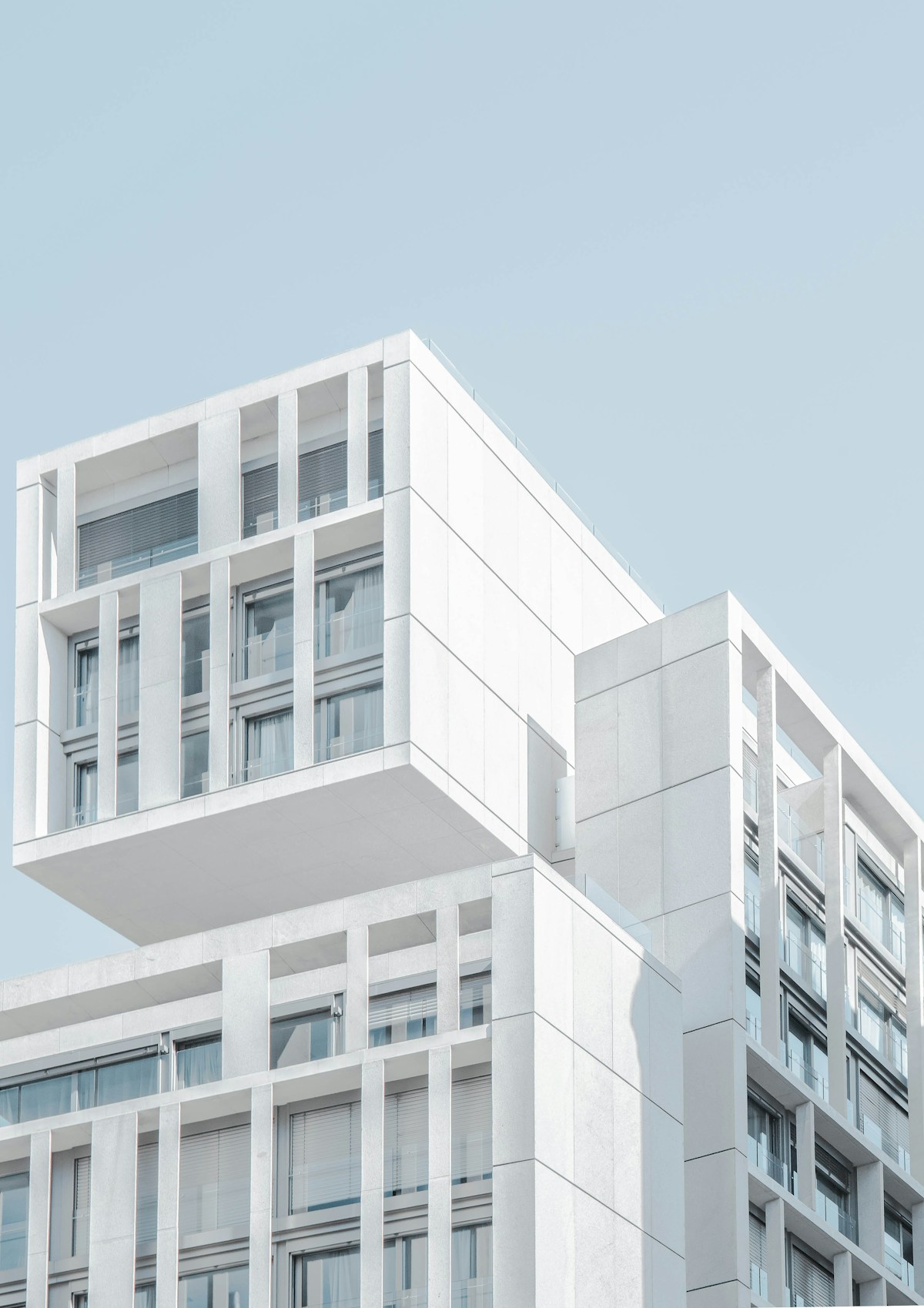
Probably should have led with this section, honestly. The cylinder and half-dome that define the building’s exterior form have real functional logic: the column-free interior that results from the cylindrical structure is the reason event venues in similar markets have been unable to replicate what this building does. Standard ballroom construction puts columns where you do not want them and requires post staging that a column-free space never needs. The form looks like a design statement from outside; from inside it is purely practical.
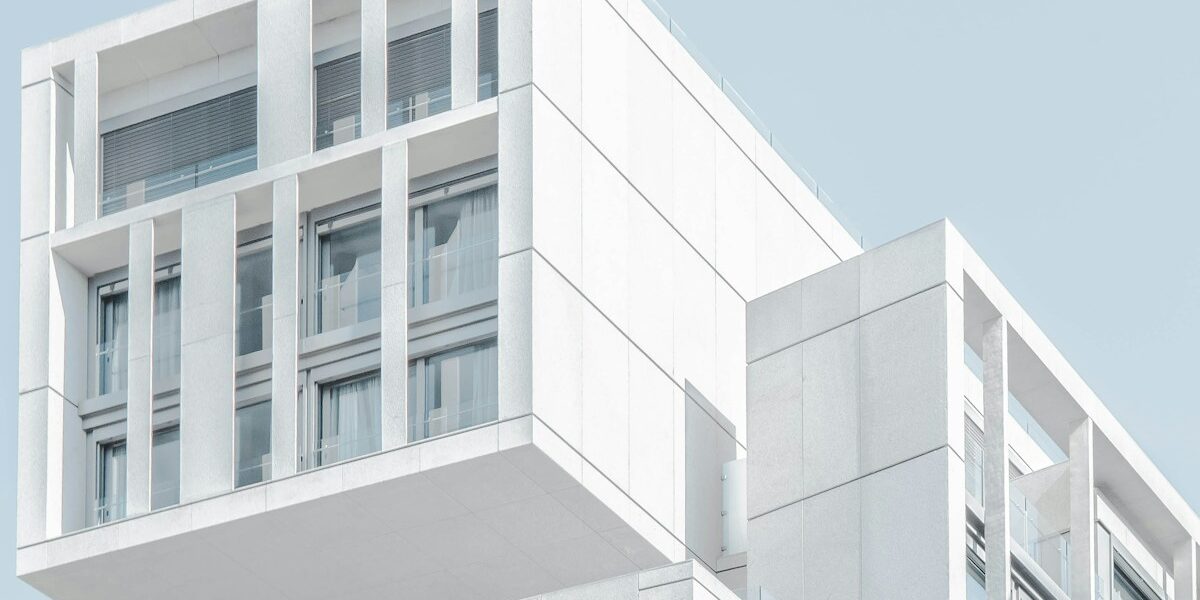
The white concrete exterior is a genuinely smart material choice for the climate — it reflects light in a context that gets significant solar intensity, and the neutrality allows the building’s occupants and events to read against it without competing with an assertive building skin. OMA’s restraint here was deliberate; this is not the firm’s usual mode, and choosing it for this program was the right call. The building needed to host other people’s events, not to express its own architectural agenda.
Interior Logic
The ground-floor hall accommodates the large gatherings the program demands without the accommodations that comparable venues require — no adjustable partitions, no temporary staging that has to come in from outside, no fighting with structural elements in the sightlines. The spiral ramp connecting levels is the move that makes the building feel like a single experience rather than a stack of separate floors. Climbing a ramp through a building creates a processional quality that a stair-and-elevator arrangement simply cannot achieve.
I am apparently someone who notices circulation systems immediately in any public building, and the ramp in this one works for me while the conventional arrangements in comparable Miami venues never quite do. The detail is not incidental: how visitors move through a cultural space determines how they experience it, and here the movement itself is part of the architecture.
Materials and Craft
The handcrafted furnishings and fixtures incorporate regional motifs in ways that feel observed rather than invented. Local artisans contributed work that reflects actual craft traditions rather than decorative interpretation of what an outside designer imagined those traditions might look like. That distinction is difficult to achieve and almost impossible to fake at scale. The result is that the interior has the character of accumulation — things that belong there — rather than the character of specification — things that were purchased and installed.
The District Context
That is what makes the Faena District more interesting than its individual components: the Forum does not exist as an isolated architectural statement dropped into generic real estate. The hotel, the residential towers, and the Forum were designed as a coherent environment. District-scale thinking is genuinely rare in American real estate development, which almost always produces whatever each individual parcel’s economics demand with no regard for what surrounds it. Whether one approves of the particular aesthetic the district employs, the coherence is real and the civic ambition behind it is serious.
The sustainable operations are worth noting precisely because they are operational rather than advertised — water conservation systems that actually affect how the building runs, not a plaque in the lobby. This matters because buildings that reduce their impact primarily through marketing produce a different kind of cynicism than buildings that actually run efficiently, and guests who pay attention can tell the difference.
Recommended Architecture Books
Architecture: Form, Space, and Order – $45.00
The classic introduction to architectural design principles.
Architectural Graphics – $35.00
Essential visual reference for architecture students and professionals.
As an Amazon Associate, we earn from qualifying purchases.


Stay in the loop
Get the latest wildlife research and conservation news delivered to your inbox.