
Los Angeles adaptive reuse has gotten complicated with all the new ordinances, building types, and conversion techniques flying around. As someone who’s followed this architectural revolution closely, I learned everything there is to know about what’s transforming the urban landscape. Today, I will share it all with you.
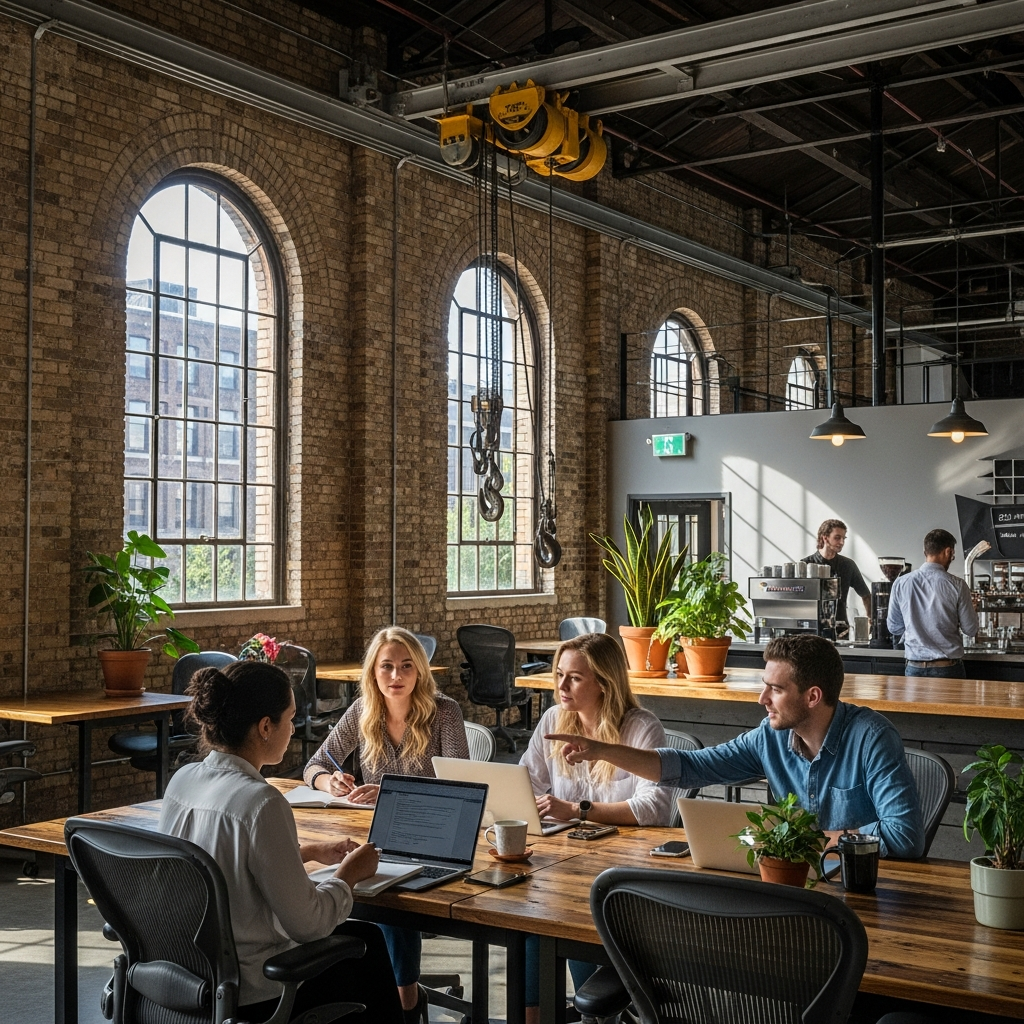
With 12,000 new housing units coming online through adaptive reuse projects in 2025, the city has become the national laboratory for converting obsolete buildings into vibrant new residences. Old banks become loft apartments. Abandoned theaters transform into mixed-use developments. Forgotten industrial buildings emerge as creative live-work spaces. This is adaptive reuse at unprecedented scale.
The Adaptive Reuse Ordinance’s Legacy
Probably should have led with this section, honestly. Los Angeles pioneered adaptive reuse as deliberate policy when it passed its landmark Adaptive Reuse Ordinance (ARO) in 1999. The law streamlined conversions of pre-1974 commercial buildings in downtown to residential use, waiving parking requirements and allowing by-right conversions without discretionary review.
The results transformed downtown Los Angeles from a 9-to-5 ghost town into a 24-hour neighborhood. Historic office towers became loft apartments. Art Deco theaters found new life as mixed-use complexes. That’s what makes the Eastern Columbia Building endearing to us architecture enthusiasts—with its turquoise terra cotta facade and illuminated clock tower, it became one of the city’s most desirable addresses.
The ordinance has been expanded multiple times, with 2025 amendments extending adaptive reuse incentives to additional building types and neighborhoods. Commercial real estate disruption, accelerated by remote work trends, has created new waves of opportunities.
Techniques and Challenges
Converting a commercial building to residential use presents unique technical challenges that architects and engineers have learned to navigate:
Floor-to-floor heights: Commercial buildings, especially those from the early 20th century, often feature generous floor heights that translate to dramatic residential spaces. Exposed ceilings, mezzanine levels, and open plans take advantage of this vertical dimension.
Window placement: Office building windows weren’t designed for residential privacy or bedroom light control. Conversions must address window sizing, placement, and treatment to create comfortable living spaces.
Plumbing cores: Adding kitchens and bathrooms throughout buildings designed for central restroom cores requires creative plumbing routing. Some conversions cluster new units around expanded cores; others run plumbing through raised floors or dropped ceilings.
Natural light: Deep floor plates that worked for open office plans create interior units far from windows. Light courts, skylights, and unit configurations that wrap around atriums address this challenge.
Preservation Meets Production
The best adaptive reuse projects maintain historic character while creating contemporary living environments. This balance requires architects who understand both preservation principles and modern residential expectations.
Successful approaches typically preserve and restore lobby spaces, maintain original window patterns, and expose rather than hide historic structural systems. The concrete columns, steel beams, and brick walls that gave these buildings character become features rather than obstacles. Original terrazzo floors, decorative plaster ceilings, and architectural metalwork find new appreciation.
At the same time, conversions incorporate modern expectations: in-unit washer/dryers, smart home systems, contemporary kitchens and baths, and energy-efficient mechanical systems.
Case Studies in Progress
Among the significant 2025 projects transforming L.A.’s building stock:
Several former department stores in historic retail districts are converting to residential with ground-floor commercial. These projects preserve ornate facades and public lobbies while creating housing in upper floors that once held merchandise displays.
Vacant office towers in the financial district are finding new life as apartments. The structural systems designed for heavy office loading easily accommodate residential use, while the concrete construction provides sound isolation between units.
Former industrial buildings throughout the Arts District continue transforming into creative live-work spaces. These conversions often maintain rougher finishes that appeal to artist residents while meeting code requirements.
Economic and Environmental Benefits
Adaptive reuse delivers remarkable environmental advantages. Converting an existing building typically produces 50-75% less carbon than demolition and new construction. The embodied energy in existing structures remains captured rather than wasted.
Economically, adaptive reuse often proves faster than new construction. Existing structures provide shells that bypass foundation and structural phases. Historic tax credits and adaptive reuse incentives improve project economics. The unique character of converted buildings commands premium rents.
The Future of Adaptive Reuse
As remote work continues disrupting commercial real estate, more buildings will become adaptive reuse candidates. Los Angeles’s experience provides a template other cities are already following. The techniques developed here are spreading nationwide.
The 12,000 units coming online in 2025 represent not just housing production but a fundamental shift in how cities grow. Instead of sprawling outward, consuming land and generating traffic, Los Angeles is intensifying inward, repurposing its building stock for new uses. Old buildings, once seen as problems, have become solutions. That’s the adaptive reuse revolution.

Stay in the loop
Get the latest classic architecture today updates delivered to your inbox.