After more than a decade of painstaking restoration, the Grand Palais has reopened its magnificent glass-and-iron nave to the public, revealing one of the most ambitious architectural preservation projects in European history. This temple of Beaux-Arts design, constructed for the 1900 Paris Exposition Universelle, stands renewed as a testament to an era when architecture aimed for nothing less than the sublime.
The restoration, which began in earnest following the discovery of structural concerns in the early 2010s, addressed 120 years of accumulated stress on the building’s revolutionary iron framework. Engineers reinforced the soaring metal skeleton while conservators meticulously cleaned and restored the ornamental stonework, allegorical sculptures, and the spectacular 45-meter-high glass vault that floods the interior with natural light.
Beaux-Arts: Architecture as Total Art
The Grand Palais represents the culmination of the Beaux-Arts tradition, a French academic architectural style that dominated Western design from the mid-19th century through the 1920s. Developed at the Ecole des Beaux-Arts in Paris, the style emphasized classical Greek and Roman forms, symmetrical compositions, and the harmonious integration of sculpture, painting, and architecture.
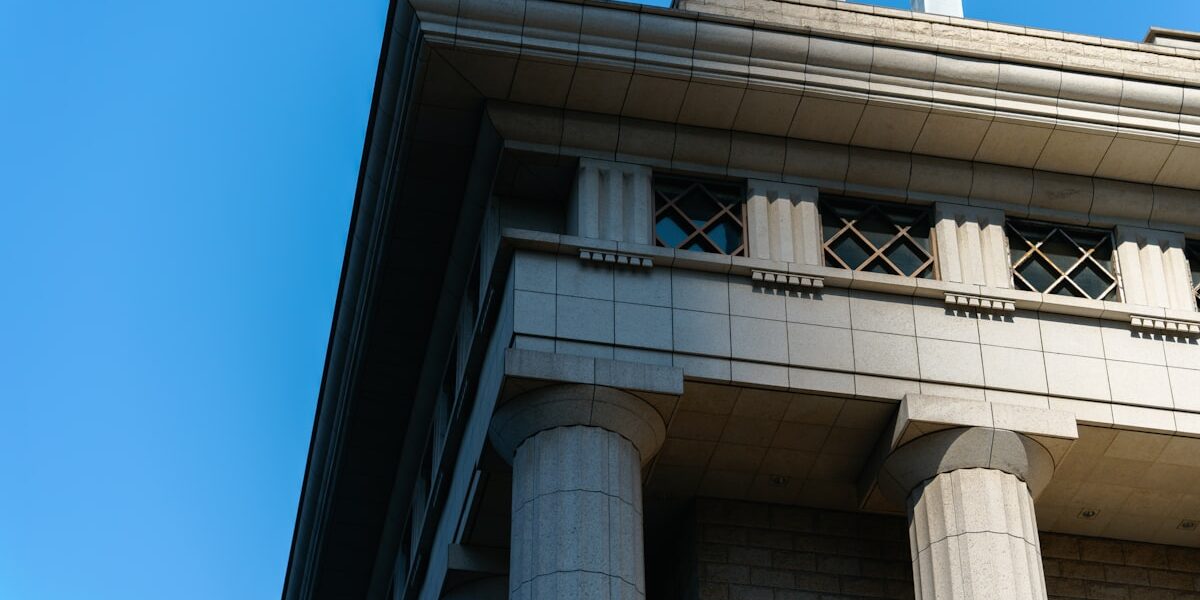
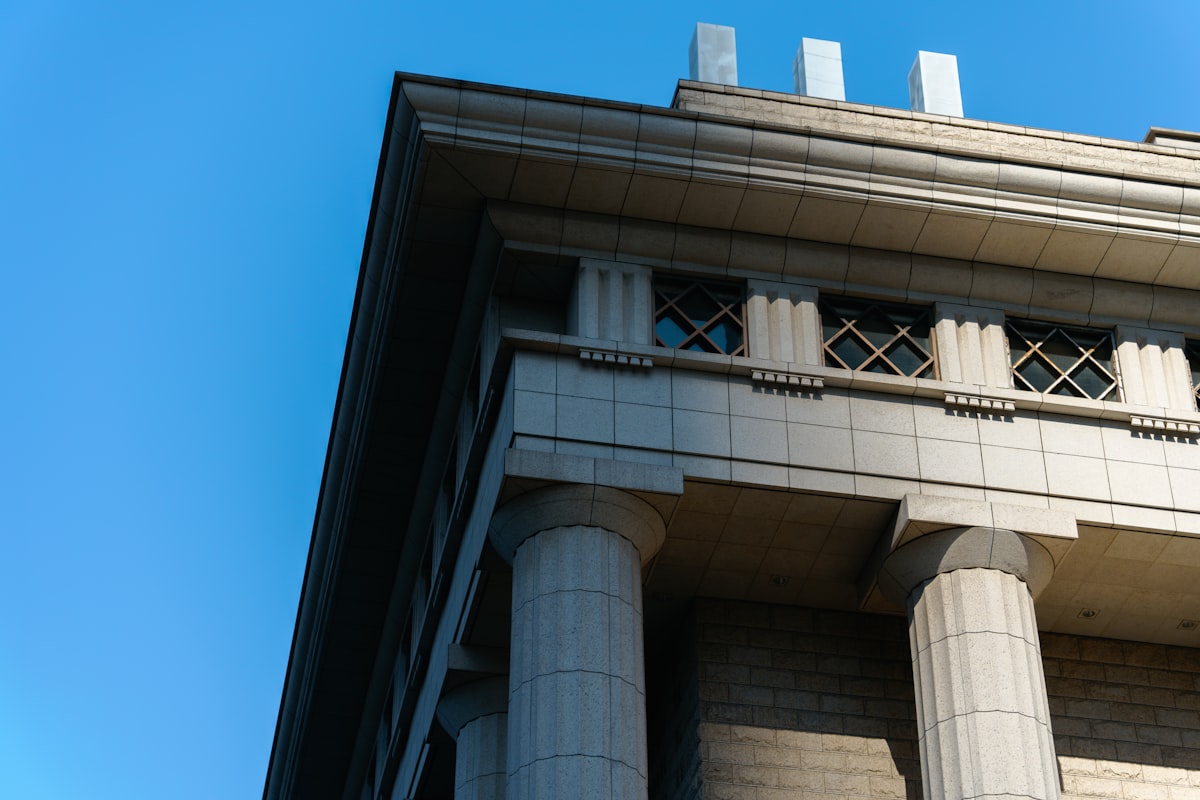
Architects Henri Deglane, Albert Louvet, Albert Thomas, and Charles Girault designed the Grand Palais as a deliberate celebration of French cultural achievement. The stone facades, with their monumental colonnades, elaborate carvings, and bronze quadrigae crowning the corners, speak the language of classical authority. But the vast interior, with its exposed iron structure supporting that breathtaking glass canopy, announces the technological confidence of the industrial age.
Engineering Hidden in Plain Sight
The genius of the Grand Palais lies in this marriage of classical tradition and modern engineering. The iron frame, inspired by railway station architecture and the recently completed Eiffel Tower, spans the nave without intermediate supports, creating an unobstructed 200-meter-long exhibition space. Yet this revolutionary structure is dressed in classical ornament that makes it feel timeless rather than merely novel.
The restoration team faced the challenge of preserving this dual identity. Corroded iron elements were carefully replaced using period-appropriate techniques, while modern climate control systems were discreetly integrated to protect both the structure and future exhibitions. The result is a building that functions for the 21st century while appearing exactly as it did when President Emile Loubet cut the ribbon in 1900.
A Palace for the People
Unlike many Beaux-Arts monuments that served governmental or religious purposes, the Grand Palais was always intended as a public palace. Its exhibitions, art shows, and cultural events have welcomed millions over the past century. The building has hosted everything from the Paris Motor Show to fashion weeks, from horse shows to art fairs, from concerts to political rallies.
This democratic purpose shaped the building’s design. The nave’s enormous scale allows for flexible use, while the surrounding galleries provide more intimate exhibition spaces. Natural light, so essential for viewing art, streams through the glass vault throughout the day, its quality shifting with the seasons and the weather in ways that no artificial illumination can replicate.
Why Beaux-Arts Still Matters
The Grand Palais reopening arrives at a moment when contemporary architecture often seems allergic to ornament and grandeur. Yet the building’s enduring popularity suggests that human beings still crave spaces that elevate the spirit. The Beaux-Arts tradition, with its insistence that buildings should be beautiful as well as functional, speaks to something essential in our nature.
Walking beneath that restored glass vault today, watching the light play across the iron ribs and the ornamental capitals, visitors experience architecture that refuses to be merely background. The Grand Palais demands attention, rewards contemplation, and reminds us that building is among the highest of human arts.



Stay in the loop
Get the latest classic architecture today updates delivered to your inbox.